The stone is diamond in both cases; the cut, setting, appearance and care requirements are different.
The same natural material, a different cut
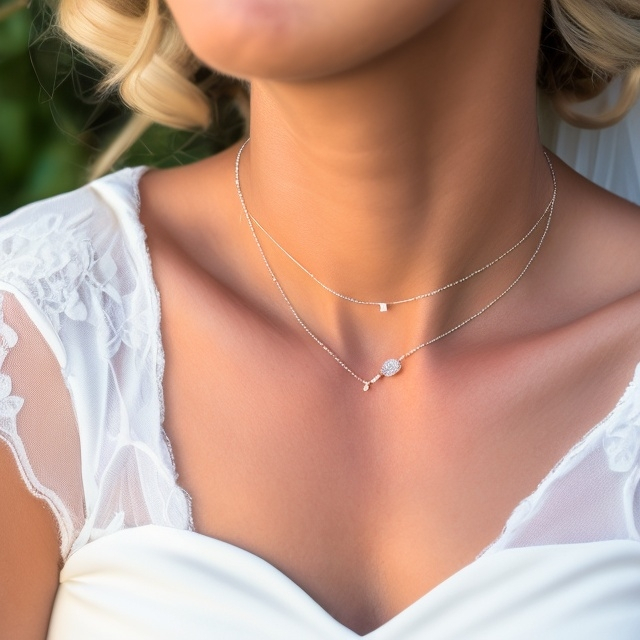
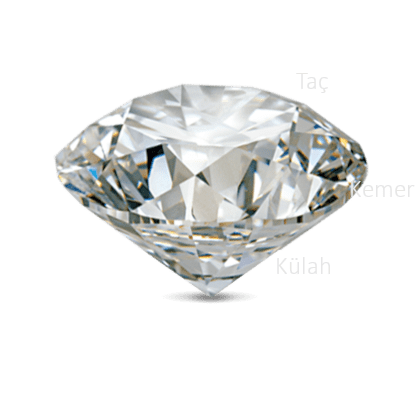
In Turkish jewellery language, “pırlanta” usually refers to a brilliant-cut diamond, while “elmas” often describes older, flatter rose-cut stones. Both begin as diamond. What changes is the cut, the way the stone returns light and the setting used to secure it.
Profile and setting
A brilliant-cut diamond has a pavilion below its widest point. It is commonly secured with prongs that allow light to enter from several directions. A traditional rose-cut stone has a flatter base and is often seated over a foil-backed setting. Because moisture or residue can reach that backing, rose-cut jewellery needs more cautious care.
Size and carat can look different
Two stones with the same face-up diameter do not necessarily have the same weight. A brilliant cut carries part of its mass below the setting, while a flatter cut spreads more of its weight across the visible surface. This is why a rose-cut stone may appear larger than a brilliant-cut stone of the same carat.
Care
Brilliant-cut jewellery can often be cleaned gently around the pavilion, provided the setting is secure. Foil-backed antique-style pieces should not be soaked or cleaned at home. When in doubt, bring the piece to a jeweller so the setting can be checked before cleaning.